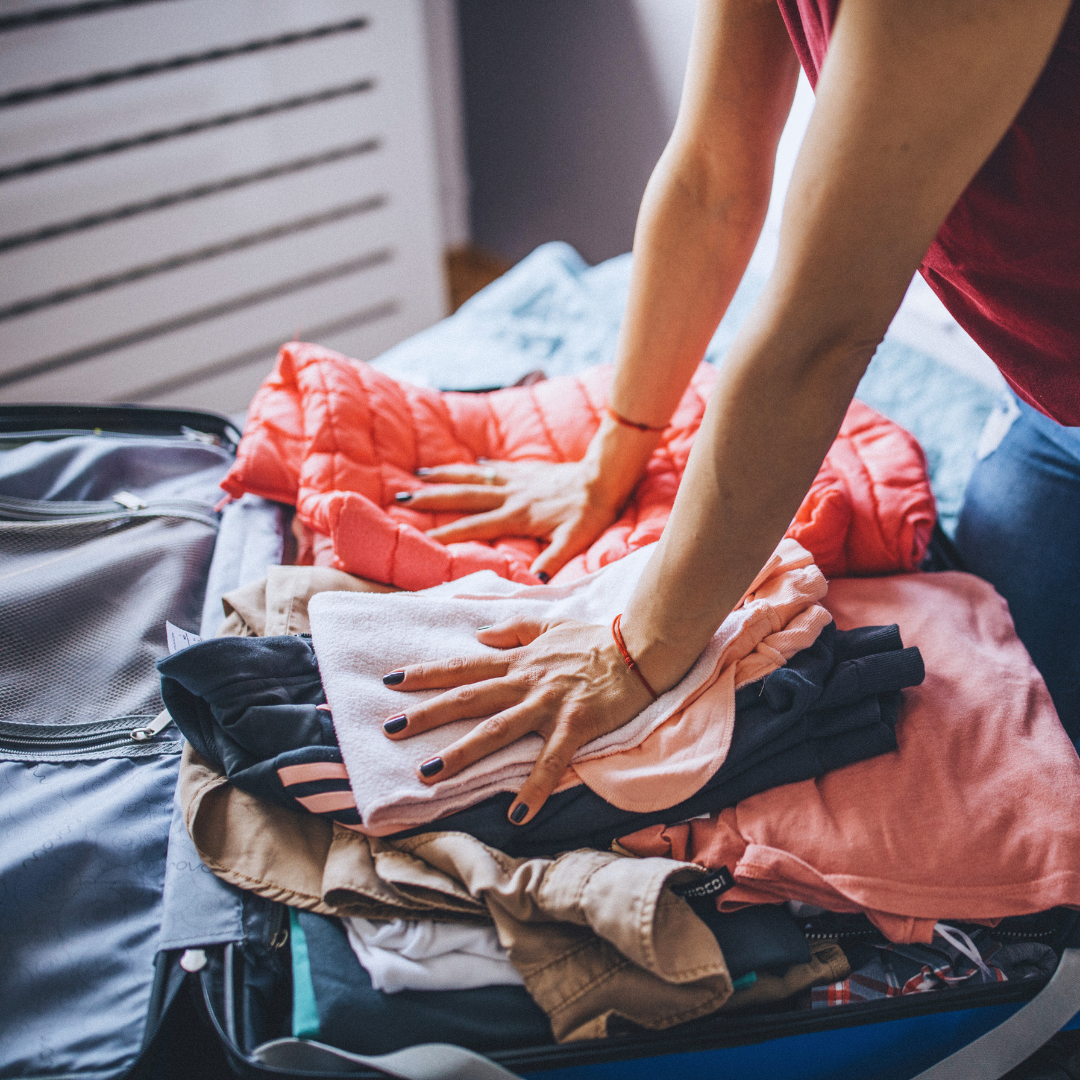
Packing for an outdoor getaway can be a daunting task, especially when it comes to avoiding the trap of overpacking. Many travelers find themselves burdened by heavy bags filled with items they rarely use. Prioritizing essentials and choosing multifunctional gear are key strategies to ensure a lighter load without sacrificing comfort or preparedness.
A common mistake is to pack for every possible scenario instead of focusing on the actual itinerary. Planning activities and considering the climate can significantly narrow down what to bring. Thoughtfully curating a packing list will allow for a more enjoyable experience, free from the hassle of excess baggage.
Embracing a minimalist approach not only makes packing easier but also enhances the outdoor experience. With fewer items, travelers can move swiftly and concentrate on their adventures rather than managing unnecessary weight. Keeping things simple and intentional can lead to a more fulfilling getaway.
Understanding Overpacking and Its Consequences
Overpacking can stem from various reasons and lead to several practical challenges. Recognizing why it occurs and its repercussions can greatly enhance the outdoor experience.
Why Overpacking Happens
Overpacking often stems from a lack of planning or fear of not having necessary items. Travelers may feel compelled to bring extra clothing for every possible scenario. Emotional factors, such as attachment to belongings or the desire to be prepared, also contribute.
Many people think they need to carry items that they rarely use or could easily be replaced. This mindset can lead to carrying bulky gear instead of focusing on essentials. A thoughtful review of packing lists can help identify truly necessary items.
The Impact of Excess Luggage
Excess luggage creates practical problems that can detract from the travel experience. Carrying too much weight can lead to physical strain, making activities less enjoyable. Navigating through airports, hiking trails, or campsites becomes cumbersome and tiring.
Moreover, overpacking can lead to potential fees when flying, further complicating the trip. Travelers may also spend more time organizing or searching for items in a packed bag. This can lead to frustration and wasted time rather than relaxation and enjoyment.
Benefits of Packing Light
Packing light encourages simplicity and enhances flexibility. With fewer items to manage, travelers can move more freely and focus on their surroundings. It eliminates the stress related to carrying heavy loads or managing extensive gear.
Additionally, a lighter bag often results in a better overall experience. Essentials can be prioritized, allowing for thoughtful choices about what to bring. Travelers are more equipped to adapt to changing conditions or spontaneous activities with a streamlined approach.
Step-By-Step Strategies to Avoid Overpacking
Planning a successful outdoor getaway involves careful preparation to ensure packing is efficient and practical. Implementing targeted strategies can help anyone avoid the common pitfalls of overpacking, optimizing both space and weight.
Start With a Detailed Packing List
Creating a detailed packing list is essential for effective packing. It serves as a roadmap, guiding individuals through necessary items while minimizing unnecessary additions. Start by assessing the activities planned for the getaway, such as hiking, camping, or swimming.
Break down categories: clothing, toiletries, food, and equipment.
- Prioritize essentials: Identify must-have items and remove duplicates.
- Review before the trip: Check the list against the weather forecast and adjust accordingly.
This structured approach helps individuals stay focused and organized, significantly reducing the chance of overpacking.
Choose the Right Luggage Size
Selecting the appropriate luggage size can directly impact packing choices. Too-large a bag may lead to unnecessary additions that can make the journey cumbersome.
The right size should accommodate only what’s essential:
- Consider trip duration. For weekend trips, a smaller bag suffices, while longer trips may require larger options.
- Roll clothing to maximize space and minimize wrinkles.
Look for luggage that offers organizational features, such as compartments and pockets, to streamline packing. This method encourages thoughtful selection and organization, aiding in the prevention of overpacking.
Select Versatile Clothing
Choosing versatile clothing is crucial in optimizing packing efficiency. Each item should serve multiple purposes, reducing the overall number of articles packed.
- Layering is key. Aim for lightweight, interchangeable layers that can adapt to temperature changes.
- Select neutral colors for easy mixing and matching, allowing for multiple outfit combinations without additional clothing.
Focus on quality fabrics that dry quickly and resist wrinkles. Additionally, include specific items like a lightweight jacket or multifunctional pants. This strategy consolidates packing without sacrificing comfort or style.
Limit Footwear and Accessories
Footwear and accessories can take up significant space in luggage. Limiting these items is vital for efficient packing.
- Choose versatile shoes that can handle various terrains or occasions. A sturdy pair of hiking shoes may suffice for both hiking and casual sightseeing.
- Minimize accessories. Select a few essential items, such as one hat and a pair of sunglasses, that complement all outfits.
A well-considered footwear and accessory selection helps maintain a lightweight pack, promoting mobility and convenience during the trip. By focusing on quality and versatility, individuals can effectively reduce packing volume.
Smart Packing Tools and Techniques
Effective packing requires practical tools and techniques that streamline the process and prevent overpacking. Using the right methods can enhance organization and ensure essential items are easily accessible.
Use Packing Cubes for Organization
Packing cubes are a game changer for outdoor getaways. They help compartmentalize clothing, making it easier to find specific items without rummaging through the entire bag. Typically made from lightweight materials, packing cubes come in various sizes to fit different types of clothing and accessories.
To maximize their effectiveness, he should assign each cube a category, such as tops, bottoms, and gear. It is also advantageous to roll clothes tightly before placing them in the cubes. This method not only saves space but also minimizes wrinkles. When he arrives at the destination, unpacking becomes more straightforward, aiding in maintaining organization throughout the trip.
Efficient Toiletries Packing
Toiletries can take up significant space in a travel bag. It is beneficial for her to streamline her toiletries pack by using a compact, multifunctional toiletry bag. This allows for easy access and reduces the risk of spilling products.
He should prioritize travel-sized containers for liquids and creams. Using silicone squeeze bottles can save space while ensuring compliance with airline regulations. Grouping items that serve multiple purposes, such as a 2-in-1 shampoo and conditioner, can also minimize bulk. Keeping toiletries in a designated ziplock bag can make security checks faster and more efficient.
Pack Based on Outfits and Activities
Planning outfits based on the planned activities is essential to avoid overpacking. By selecting a few versatile pieces, she can create multiple combinations suitable for different occasions. For instance, a lightweight jacket can be paired with various tops for both day hikes and evening outings.
He should consider layering, as this can provide warmth without adding excessive bulk. It is also helpful to make a checklist of necessary clothing items based on activities planned, ensuring nothing is left behind. Incorporating quick-dry fabrics can be beneficial for outdoor activities, allowing for quick changes if needed.
Maintaining a Minimalist Mindset on Your Outdoor Getaway
Adopting a minimalist mindset when packing for an outdoor adventure can significantly enhance the experience. By focusing on essentials and leaving extraneous items behind, one can enjoy greater freedom and ease during the getaway. The following strategies support maintaining this mindset effectively.
Eliminate ‘Just in Case’ Items
One common pitfall in packing is including items based on hypothetical scenarios. These “just in case” items often accumulate and add unnecessary weight. Instead, evaluate the likelihood of needing particular items.
For example, if a rain jacket is unlikely to be used, it should stay at home. Create a checklist of essentials, prioritizing items that serve multiple purposes. Aim for versatile clothing and gear, which reduces bulk and enhances functionality.
Leave Room for Souvenirs
Another strategy to maintain a minimalist approach is to consciously leave space in the pack for souvenirs or unexpected finds. This can encourage mindful purchases and avoid the temptation to overpack initially.
When planning the trip, consider limiting clothing and equipment to create intentional space. For instance, if traveling for three days, packing only two or three outfits allows for purchases while ensuring the pack doesn’t overflow. This approach blends functionality with excitement, supporting the minimalist mindset.
Adjust Your Packing Habits Over Time
Reflecting on each trip can help refine packing habits and enhance the minimalist approach. After returning home, review what items were used and which were unnecessary. Keeping track can lead to insightful adjustments.
For future trips, consider keeping a packing journal that lists essential items. Gradually, this will promote a better understanding of personal needs and preferences. This practice helps streamline packing, making it easier to pack light and confidently tackle the next outdoor adventure.