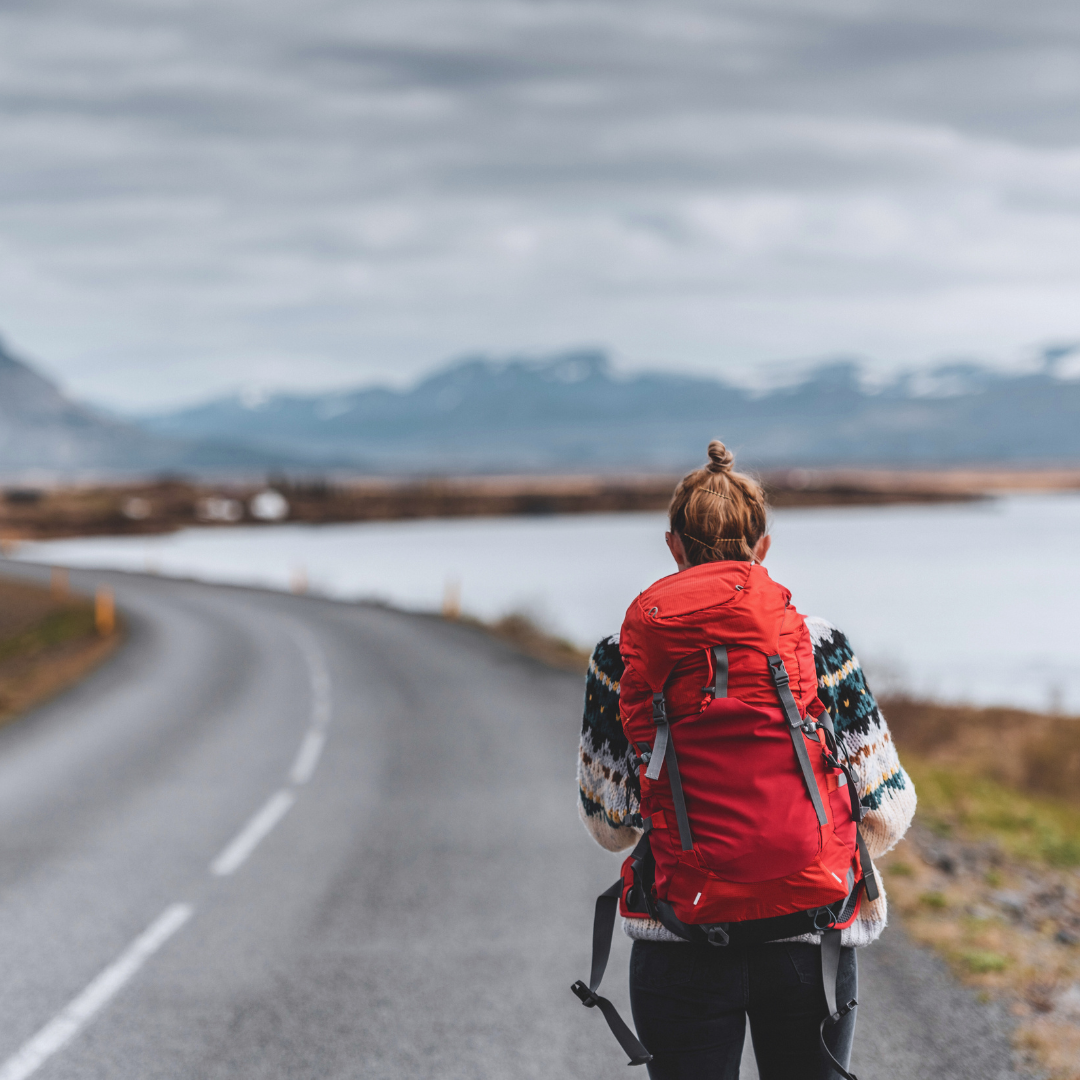
For many, backpacking represents an exciting leap into the unknown, offering the chance to explore new cultures and breathtaking landscapes. The best travel tips for first-time backpackers include careful planning, packing light, and staying adaptable to ensure a smooth journey. With the right preparation and mindset, beginners can navigate the wonders of backpacking with confidence.
Understanding the essentials of budgeting, route planning, and local customs can greatly enhance the experience. New travelers must be ready to embrace spontaneity, as the journey often takes unexpected turns. By being open to new experiences and flexible with their plans, backpackers can make the most of their adventures.
Equipping oneself with practical knowledge will pave the way for a rewarding trip. Learning about local transportation options, safe eating habits, and securing accommodations will help minimize stress. With these tips in hand, first-time backpackers can embark on their journeys prepared for whatever lies ahead.
Essential Travel Tips for First-Time Backpackers
First-time backpackers should focus on selecting suitable destinations, maintaining a flexible itinerary, and mastering backpacking fundamentals. These elements are crucial for a rewarding and enjoyable experience while exploring new places.
Choosing an Ideal Backpacking Destination
Selecting the right destination is vital for first-time backpackers. Factors to consider include safety, accessibility, and local culture. Popular regions for beginners include Southeast Asia, Europe, and Central America.
Key Points:
- Safety: Research crime rates and travel advisories for potential destinations.
- Accessibility: Consider how easy it is to reach and navigate within the area.
- Culture: A place with a welcoming atmosphere can enhance the travel experience.
Backpackers should also think about the climate and time of year. For example, opting for off-peak seasons can lead to fewer crowds and lower costs.
Balancing Flexibility and Planning
While planning is essential, flexibility can lead to unexpected adventures. First-time backpackers should create a rough itinerary, including essential stops and activities. This can provide structure without being overly rigid.
Strategies:
- Must-See List: Identify key attractions but leave space for spontaneous discoveries.
- Accommodation: Book the first few nights in advance, but keep subsequent nights flexible.
- Local Insights: Engage with fellow travelers or locals for recommendations and potential detours.
A balanced approach allows backpackers to enjoy their trip while still having a sense of direction.
Understanding Backpacking Basics
Mastering the basics is crucial for a successful first backpacking trip. Familiarity with gear, packing, and navigation can greatly enhance the experience.
Essentials:
- Backpack: Choose one that fits comfortably and has enough capacity for gear.
- Packing: Use packing cubes to organize items and minimize weight.
- Navigation: Familiarize oneself with maps and local transit systems.
Additionally, first-time backpackers should learn basic survival skills and first-aid knowledge. This preparation can boost confidence during the journey and ensure safety throughout the trip.
Smart Packing and Must-Have Gear
Effective packing and selecting the right gear are essential for first-time backpackers. Careful choices can enhance comfort and convenience on the journey.
Selecting the Right Backpack
Choosing the right backpack is crucial. Consider the capacity, which should range from 40 to 70 liters for multi-day trips. Look for features like a hip belt for better weight distribution and padded shoulder straps for added comfort.
The backpack should also have multiple compartments for organization. A rain cover is ideal for unexpected weather. Testing the pack by loading it with gear can help assess fit and comfort before a trip.
How to Avoid Overpacking
Overpacking can lead to unnecessary strain and discomfort. To avoid this, create a detailed packing list tailored to the specific trip duration and destination.
Use the rule of three: pack three pairs of socks, underwear, and shirts. Stick to lightweight, quick-drying materials. Consider layering clothes rather than packing bulky items.
Leave behind non-essential items and prioritize gear that serves multiple purposes. Regularly re-evaluating the contents of the pack can help ensure only needed items are included.
Clothing and Footwear Essentials
Selecting the right clothing and footwear is vital for comfort and protection. Base layers made from moisture-wicking materials will keep the body dry. Mid-layers such as fleeces can provide warmth without bulk.
For footwear, high-quality hiking boots with good ankle support are essential. They should fit well to avoid blisters. Choose shoes that match the terrain and weather conditions.
Packing versatile clothing that can be worn in layers boosts flexibility. A quick-dry towel and a compact rain jacket are smart additions to handle varying climates.
Key Backpacking Equipment
While clothing is important, specific equipment is just as critical. A quality tent that suits the backpacker’s needs should be lightweight yet durable. Sleeping arrangements also matter; a reliable sleeping bag tailored for the climate enhances rest.
Navigation tools like a map and compass remain vital in areas without cellular service. Consider a lightweight stove for preparing meals and tools for cooking, such as pots and utensils.
Always include a first-aid kit and headlamp for safety. Investing in durable, reliable gear can significantly impact the experience on the trail.
Budgeting, Accommodation, and Safety Advice
Effective budgeting, accommodation choice, and safety measures are crucial for first-time backpackers. A well-structured plan allows travelers to enjoy their journey without financial strain or unnecessary risks.
Budget Travel Strategies
Backpackers should create a realistic budget before embarking on their journey. This can include expenses such as food, accommodation, transportation, and activities. A useful approach is the 50/30/20 rule, allocating 50% for essentials, 30% for experiences, and 20% for savings.
Utilizing budget travel apps can help track spending. Local transportation, such as buses and trains, is typically cheaper than flights.
Eating at local markets or cooking in hostel kitchens can significantly reduce food costs. Look for free walking tours or discounted activities to enhance the experience without overspending.
Staying in Hostels and Meeting Fellow Travelers
Hostels are ideal for budget-conscious travelers. They usually offer dormitory-style accommodations at lower prices compared to hotels. Websites like Hostelworld are excellent for finding and booking hostels based on reviews and ratings.
Staying in hostels also fosters community. Many hostels organize events such as group dinners, pub crawls, or sightseeing excursions. These activities provide an opportunity to connect with other travelers and share experiences.
Choosing hostels with common areas encourages social interactions. Engaging with fellow backpackers can yield valuable travel tips and build friendships.
Travel Insurance and Health Precautions
Travel insurance is essential for all backpackers. It protects against unexpected events, including medical emergencies, trip cancellations, or lost belongings. Comparing policies online can help find the best coverage for specific needs.
Health precautions should not be overlooked. Researching required vaccinations and potential health risks in particular destinations is vital. Carrying a basic first aid kit can address minor injuries or illnesses.
Staying informed about safety protocols, like food hygiene and local emergency contacts, enhances personal safety. Knowing basic local phrases can also be helpful in emergencies.
Preparing for Your Backpacking Adventure
Preparation is key for a successful backpacking trip. It involves physical conditioning, understanding the weather conditions, and final checks to ensure everything is in order before departure. Each of these areas contributes significantly to the overall experience.
Training and Physical Preparation
Before hitting the trails, it’s essential to prepare physically for the demands of backpacking. This includes building stamina and strength through regular exercise.
A solid training plan could include:
- Hiking: Start with shorter, less challenging trails. Gradually increase the distance and elevation.
- Cardiovascular exercises: Running, cycling, or swimming can improve endurance.
- Strength training: Focus on core, legs, and back to handle the weight of a backpack.
Walking with a weighted pack during training can help simulate the experience. Aim for at least six weeks of preparation, allowing the body to adapt to the physical challenges ahead.
Checking the Weather Forecast
The weather can significantly impact a backpacking trip. Prior knowledge helps in planning appropriate clothing and gear. Before departure, he should check reliable sources for forecasts in the region.
Consider factors like:
- Temperature ranges: This informs clothing choices.
- Precipitation: Knowing if rain or snow is expected can affect gear selection and routes.
- Wind conditions: High winds can lead to dangerous situations, especially in exposed areas.
Using weather apps or local meteorology services can provide real-time updates. It’s advisable to keep an eye on conditions during the trip as forecasts may change.
Last-Minute Checks and Final Steps
A few critical last-minute checks can make or break the trip. As the departure date approaches, he should compile a checklist of essential items and verify each one.
Key items to review include:
- Gear integrity: Inspect the backpack, tent, and sleeping bag for any issues.
- Food and water: Pack sufficient supplies and double-check cooking equipment.
- First aid kit: Ensure supplies are complete and accessible.
Taking a moment to test all equipment before leaving can prevent last-minute hiccups. These steps solidify the foundation for an enjoyable and safe backpacking adventure.