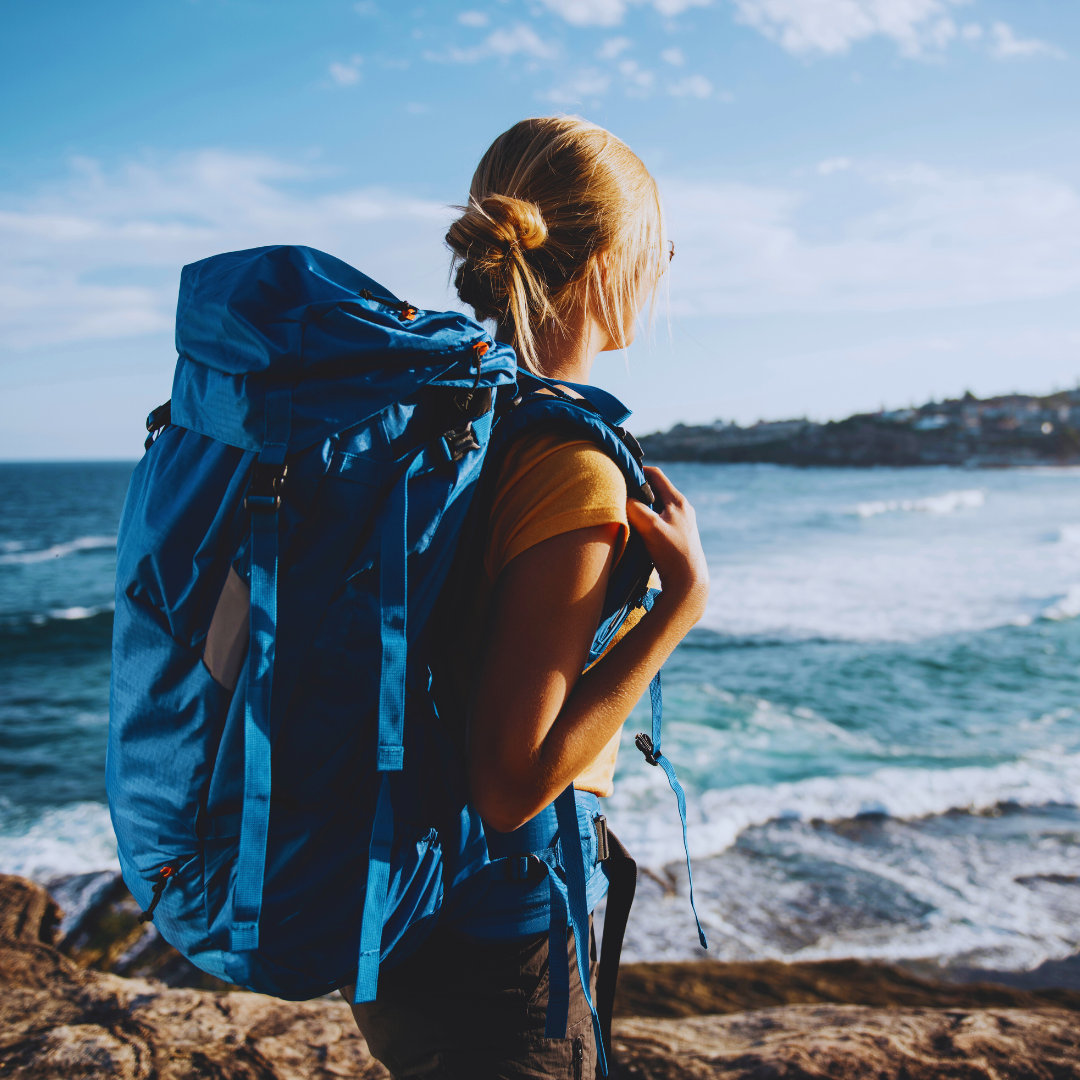
Finding the right balance between comfort and practicality in a backpack is essential for anyone who values both function and ease. Choosing a well-designed backpack that supports the body while accommodating necessary items can make a significant difference in any outing. This consideration is particularly relevant for travelers, students, or outdoor enthusiasts who require their gear to perform under various conditions.
Key factors include the size, weight distribution, and padding of the backpack. A well-padded back and straps can enhance comfort, while compartments and pockets can improve accessibility and organization. By carefully selecting features that align with personal needs, individuals can ensure that their backpack meets both practical requirements and comfort levels.
In the quest for the ideal backpack, it’s also important to consider the materials used. Durable, lightweight materials offer longevity without adding bulk. Balancing these elements leads to a more enjoyable experience, whether navigating city streets or hiking in the wilderness.
Fundamentals of Backpack Comfort and Practicality
Finding the right balance between comfort and practicality can enhance any outdoor or travel experience. It involves selecting an appropriate backpack, understanding weight limits, and recognizing essential features that contribute to overall comfort.
Choosing a Suitable Backpack
Selecting the right backpack hinges on its intended use and personal needs. For day hikes, a smaller pack of 20 to 30 liters usually suffices. Longer trips require larger backpacks, often ranging from 50 to 70 liters.
Consider the fit as well. A well-fitting backpack should align with your torso length and sit comfortably on your hips. Hip belts are crucial, as they help distribute weight more evenly, reducing strain on the shoulders. Look for adjustable straps and ventilation systems that improve comfort.
Understanding Weight Limits and Capacity
Weight limits significantly impact comfort during use. Each backpack has a recommended maximum weight it can carry comfortably. This recommendation typically amounts to 20-25% of a person’s body weight for extended periods.
Awareness of one’s own capacity to carry weight is vital. Heavier loads shift the center of gravity, affecting balance and stability. Proper weight distribution, with heavier items close to the back, can help maintain a stable posture and reduce fatigue.
Core Features for Comfort
Several essential features contribute to a backpack’s comfort.
- Padded shoulder straps provide cushioning and alleviate pressure points.
- Adjustable sternum straps help stabilize the load.
- Breathable back panel materials enhance airflow, reducing sweat accumulation.
These features, combined with a functional design, can improve the overall experience. Selecting a backpack with customizable components allows users to adapt it to various conditions and body types, enhancing both comfort and practicality.
Optimal Packing Strategies for Balance
Balancing comfort and practicality in a backpack hinges on effective packing strategies. Distributing weight properly and utilizing available space enhances stability and accessibility. The following approaches are essential for achieving this balance.
Organizing Gear by Packing Zones
Dividing the gear into specific packing zones increases efficiency. It encourages thoughtful placement of items based on their weight and frequency of use.
- Main Compartment: Place heavier items such as food and water near the back to maintain balance. This position keeps the center of gravity low.
- Top Compartment: Store lightweight, frequently accessed items like a rain jacket or snacks here. This area allows for quick retrieval without disrupting the rest of the pack.
- Lower Compartment: Utilize this space for bulkier items or sleeping gear. Keeping them separate can help with organization and weight distribution, ensuring balance during movement.
Effective Use of External Pockets
External pockets add versatility and improve access to essential items. Strategically placing gear in these pockets can significantly enhance practicality.
- Hip Belt Pockets: Ideal for small, quick-access items like snacks or a phone. This design allows for easy retrieval without removing the pack.
- Side Pockets: Perfect for water bottles or trekking poles. Keeping these items outside maintains space inside the main compartment while ensuring hydration and gear are readily available.
- Front Straps and Pockets: Consider attaching lighter gear, like jackets or climbing shoes, for extra storage options. They offer immediate accessibility without interfering with the main load.
Leveraging Compression Straps
Compression straps play a vital role in stabilizing a backpack’s load. Proper use minimizes movement and enhances overall comfort during hikes.
- Tightening Straps: Once items are packed, cinch the straps to secure everything. This action keeps the load compact and reduces shifting, improving balance.
- Adjusting Based on Load: Continuously adjust the straps throughout the journey. As items are consumed or removed, keeping everything tight maintains a stable weight distribution.
- Dual Use: Utilize compression straps to attach additional gear outside the pack. When organized properly, this allows for an expanded packing strategy without compromising comfort or access.
Adjusting Fit and Distribution for Maximum Comfort
Achieving optimal comfort in a backpack involves careful adjustment of various components. Properly fitted shoulder straps, sternum straps, and hip belts play vital roles in weight distribution and overall comfort.
Customizing Shoulder Straps
Shoulder straps should be adjusted to fit snugly without digging into the shoulders. They should distribute the weight evenly across the shoulders to prevent strain.
To customize, start by loosening the straps completely. Then, put on the backpack and adjust the straps so the backpack sits comfortably against the back.
Key points:
- The straps should form a straight line from the top of the shoulder to the backpack.
- Avoid having more than a few inches of space between the body and the straps.
A well-adjusted shoulder strap reduces the likelihood of soreness during prolonged use.
Securing the Sternum Strap
The sternum strap serves a crucial purpose by connecting the shoulder straps across the chest. This connection stabilizes the pack and prevents the straps from slipping off the shoulders.
To adjust the sternum strap, position it just above the chest and tighten it until snug.
Considerations:
- The strap should be high enough to allow for free movement of the arms and breathing.
- Ensure it does not impede movement or comfort during physical activities.
A properly secured sternum strap enhances stability, particularly during dynamic movements.
Fine-Tuning the Hip Belt
The hip belt is essential for transferring weight from the shoulders to the hips, reducing fatigue. To fine-tune the hip belt, the user should loosen or tighten it while wearing the backpack.
Position the belt over the hips, centered on the pelvic bones. Tightening should create a snug fit without restricting breathing or movement.
Best practices:
- Adjust the belt to provide a comfortable cushion against the hips.
- Ensure the weight of the backpack rests primarily on the hips for better support.
A well-fitted hip belt can significantly improve carrying comfort on longer treks.
Weather Protection and Accessibility Considerations
When considering weather protection and accessibility in a backpack, it is essential to focus on reliable waterproofing methods and ensure that essential items are easily reachable. A well-prepared backpack can make all the difference in adverse conditions and during outdoor activities.
Using a Pack Liner for Waterproofing
A pack liner serves as an effective way to protect gear from moisture. This waterproof bag fits inside the backpack, shielding contents from rain and splashes. It can be made from materials like nylon or polyethylene, ensuring durability against wear.
To maximize waterproofing, users should:
- Seal Openings: Roll the top of the pack liner tightly to avoid water entry.
- Choose Quality Products: Select liners with a high waterproof rating for enhanced protection.
- Consider Extra Weight: Heavy-duty liners offer better durability but may add weight.
In addition to pack liners, some backpacks have built-in rain covers. They can provide added protection and can be easily packed away when not in use.
Ensuring Quick Access to Essentials
Easy access to essential items is crucial, especially in unpredictable weather. Organizing the backpack effectively can streamline this process.
Key strategies include:
- Front Pockets: Utilize external pockets for frequently used items like a water bottle or snacks.
- Compression Straps: These can help manage weight while keeping essentials more accessible.
- Zippered Compartments: Use color-coded or labeled compartments for organization.
A well-designed layout also allows quick access even when wearing the pack. This can be crucial in situations like sudden weather changes, where time is of the essence.